インドネシア・ルピアを理解する:地元民によるガイド(ココナッツ1個にRp 500,000も払わないために)
2026年7月19日
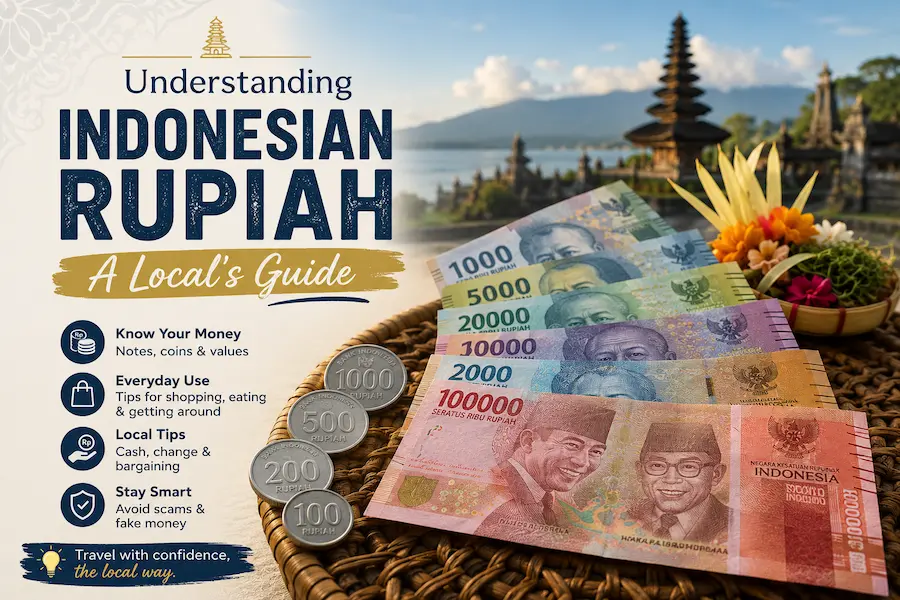
インドネシア・ルピアの多すぎる「0」を上手に扱うための実用ガイド——素早い換算のコツ、覚えておきたい紙幣の色分け、正直な現地価格、そして Bali と Nusa Penida でのチップの習慣まで。
数ヶ月前、あるゲストがワルン(屋台)の店主に、水一本の代金として10万ルピア札を渡しました。本来の値段は1万ルピアでした。同じ旅の後日、別のゲストは本来1万5,000ルピアのはずの新鮮なココナッツに50万ルピアを支払ってしまいました。誰かがぼったくろうとしたわけではありません。単純にゼロの数を数え間違えただけで、売り手は渡された紙幣を信用し、その金額に応じたお釣りを返しただけなのです。
こうしたことは頻繁に起こります。無理もありません。インドネシア・ルピアは、旅行者が普段扱う通貨の中でもゼロの数が飛び抜けて多く、水一本から貸切ツアーまで、あらゆるものの価格が数十万単位で表示されるため、混乱しやすいのです。このガイドは、あなたが同じ思いをしないためのものです。
ゼロの問題を一発で解決するコツ
ルピアを理解する一番手っ取り早い方法は、最後の3つのゼロを取り除くこと。残った数字が、おおよそ「千ルピア単位」の価格になります。現地では「K」という略称で呼ばれており、メニューや価格表のあちこちで目にするはずです。
- Rp 10,000 = 「10K」
- Rp 100,000 = 「100K」
- Rp 500,000 = 「500K」
大まかなドル換算の目安として、2026年半ば時点でのレートはUSD 1に対して1万7,950〜1万8,000ルピア前後で推移しています(レートは日々変動するため、旅行前に一度確認しておくのがおすすめです)。簡単な暗算のコツとしては、「K」の数字を18で割ること。つまり100K ≈ 5.5米ドル、500K ≈ 28米ドルとなります。正確な数字ではありませんが、間違った紙幣を渡してしまう前に気づく程度には十分な精度です。
暗算をまったくしたくない場合は、通貨換算アプリ(XE、Wise、あるいはGoogleで「X IDR to USD」と検索するだけでもOK)を開いておけば、2秒で確認でき、推測の余地がなくなります。
到着前に紙幣の種類を知っておこう
インドネシア・ルピアの紙幣は色分けされており、見分け方さえ知っていれば役立ちます。
- Rp 1,000 / Rp 2,000 — 小さなコインまたは小額紙幣。駐車料金や小さな買い物に使用
- Rp 5,000 — 茶色、小さな買い物用
- Rp 10,000 — 紫色
- Rp 20,000 — 緑色
- Rp 50,000 — 青色
- Rp 100,000 — 赤色、日常の支払いで最もよく使われる最高額紙幣
最も混乱を招きやすいのはRp 10,000とRp 100,000です。どちらもデザインの構成が似ているため、急いでいるとき(または夜間)には見間違えやすくなっています。また、初めての旅行者にはRp 50,000とRp 100,000も混同されがちです。どちらもツアー代や食事代、チケット代として頻繁に使われるためです。必要な金額より大きい紙幣を渡す前に、色だけでなくゼロの数もしっかり確認する、ひと呼吸を置く習慣をつけましょう。
実際の相場を知っておく(価格が妥当かどうか判断するために)
以下は、Nusa Penidaおよびバリ全般での一般的で正直な価格帯です。「観光客向けに水増しされた価格」ではありません。
- ペットボトルの水(小):Rp 5,000〜10,000
- 新鮮なココナッツ:Rp 15,000〜25,000
- 地元ワルンのナシゴレン一皿:Rp 25,000〜40,000
- ビューポイントでの駐車料金:Rp 2,000〜5,000
- Nusa Penidaの入場料/入域料:場所によって異なります — 詳しい費用の内訳はこちらの記事をご覧ください
もし売り手からこれらの相場を大きく外れた金額を求められた場合は、丁寧にもう一度確認してみる価値があります。これは誰かがだまそうとしているからではなく、ゼロの数え間違いはどちらの側にも起こり得るからです。
なぜ「K」がいたるところに出てくるのか
ゼロを5つや6つも毎回書くのは面倒なため、多くのメニューや価格表、さらには日常会話でも、価格は「K」で省略して表記されます。ドライバーが「150K」と言えば、それはRp 150ではなくRp 150,000を意味します。もし価格が不自然に安く見えた場合、その理由はたいてい「K」が抜けているだけで、本当のお買い得品ではありません。
バリとNusa Penidaでのチップについて
チップは義務ではありませんが、特に終日の貸切ツアーを担当するドライバーやガイドにとっては、心から喜ばれるものです。決まったルールはありませんが、多くの旅行者は1日ツアーにつきグループ全体でRp 50,000〜100,000程度を渡しており、特に素晴らしいサービスを受けた場合はそれ以上渡すこともあります。声高に求められることは決してありません(誰も催促してきません)が、現地のドライバーにとっては大きな支えになります。
Nusa Penidaでは現金が今も重要
バリ本島ではカードやQRコード決済(インドネシアのQR決済システムであるQRISは、ホテルや大きめのレストランで広く利用可能)がますます普及していますが、Nusa Penidaでは事情が異なります。島内のATMは限られた町にしか設置されておらず、KelingkingやBroken Beach付近で見つかると期待しない方がよいでしょう。現時点では、ToyapakehにBRIのATM、Banjar NyuhにMandiriのATM、PedにBPD(Bank Pembangunan Daerah)のATM、SampalanにはMandiriとBRIの両方があります。BCAは島内ではまだ利用できないため、それがメインバンクであっても、ここで使えるとは思わない方が良いでしょう。小さなワルンや屋台でのカード決済は、ほぼ利用できないと考えてください。バリで船に乗る前に十分な現金を用意しておくことで、余計なストレスを大幅に減らせます。
あなただけではありません
地元の人でさえ、ゼロの数を数え間違えたと冗談を言うことがあります。渡そうとしている紙幣が正しいかどうか不安なときは、遠慮なく尋ねてみて構いません。ほとんどの売り手やドライバー、ガイドは、笑顔で一緒に数を確認してくれます。
ツアー当日は計算のことを一切忘れましょう
ガイド付きの日帰りツアーに参加する小さな利点のひとつは、観光中にこうしたことを一切考えずに済むという点です。私たちのNusa Penidaツアーでは、船のチケット、入場料、諸手続きをすべて手配しますので、あなたが計算する必要があるのは、Kelingking Beachで何枚写真を撮るかだけです。
お金の計算をせずにNusa Penidaを探検する準備はできましたか?トリップ計算ツールで旅行費用の全体像を事前にチェックするか、Melali Nusa Penidaで日帰りツアーをご予約いただき、細かなことは私たちにお任せください。
天候、行き方、持ち物など、旅の計画に役立つ情報を網羅的にまとめたNusa Penida旅行ガイドもぜひご覧ください。
続けてお読みください:予算重視で費用を計画したい方は低予算でNusa Penidaを旅する方法のガイドを、どこに滞在すべきか迷っている方はNusa Penida日帰り旅行のためのバリでの滞在先をご確認ください。
簡単まとめ
- ゼロを3つ取り除き、約18で割ればおおよそのUSDが分かる
- Rp 10,000(紫)とRp 100,000(赤)は似ているので要注意
- 「K」は千を意味し、誤植ではない
- Nusa Penidaへ渡る前に、必要だと思う以上の現金を持っていく
- ゼロにまつわる多少の混乱は誰にでも起こること — 売り手側もそれを承知しているので、笑顔で数え直せばいつでも解決できます
為替レートはあくまで目安であり、日々変動します。渡航前には必ずリアルタイムの換算ツールで最新の数字を確認してください。
関連記事
 旅行ガイド
旅行ガイド2026年8月20日
高所恐怖症の方でも楽しめるヌサペニダ:崖なしガイド
高所恐怖症だけどNusa Penidaは諦めたくない、そんな方へ。崖のないフラットな絶景スポットを厳選してご紹介します——あわせて、避けた方がいい有名スポットもお伝えします。
続きを読む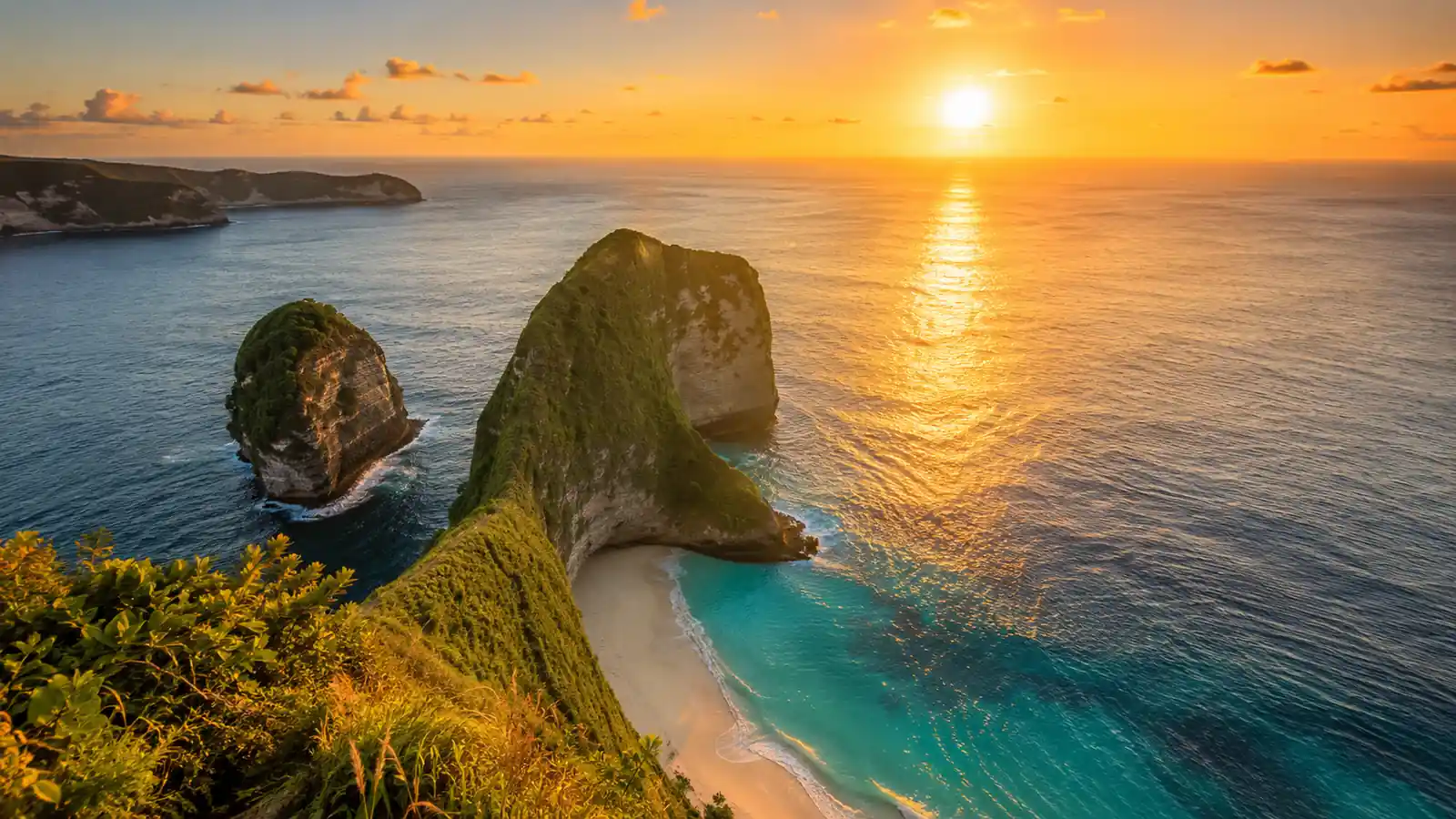 旅行ガイド
旅行ガイド2026年8月14日
Nusa Penida 3日間モデルコース:初めての方のための完全ルートガイド
Kelingking、Angel's Billabong、Broken Beach、Diamond Beach、Atuh Beachなど見どころを網羅した、Nusa Penida 3日間の日別モデルコース。ボート代やチケット料金、スクーターかドライバー同行かの選び方まで徹底解説。
続きを読む 食と文化
食と文化2026年7月12日
Nusa Penidaはムスリムフレンドリー?2026年版・本音で語るハラルフード&礼拝ガイド
ヌサペニダはムスリムの旅行者に適していますか?ハラルフードのこと、島にひとつだけあるモスクのこと、日帰りツアー中の礼拝の段取り、そしてプライベートツアーがどのように旅を快適にしてくれるかについて、地元ガイドが本音でお伝えします。
続きを読む